

If you want to ignite your imagination and refine your crafting skills, check out these seven storytelling books: “Storytelling with Charts,” “Unleash the Power of Storytelling,” “The Transformational Power of Storytelling,” “Sticking to My Story,” “The Science of Storytelling,” “How to Tell a Story,” and “Storyworthy.” Each offers unique insights and techniques to enhance your storytelling abilities. You’ll definitely want to explore more about how these books can transform your narrative skills.
Storytelling with Charts: A Data Visualization Guide

If you’re looking to enhance your presentation skills and effectively communicate data, “Storytelling with Charts” by Sam Schreim is an excellent choice for both professionals and newcomers alike. This guide teaches you how to turn raw numbers into engaging narratives, making your presentations more impactful. You’ll find practical tips for creating effective charts, using visual aids, and capturing audience attention from the start. With insights on maintaining engagement and simplifying complex concepts, this book equips you with essential storytelling skills. Though some critiques exist, the overall value it offers in the data-driven world is undeniable.
Best For: Professionals and newcomers looking to enhance their presentation skills and effectively communicate data through engaging narratives.
Pros:
- Provides practical tips and strategies for creating effective charts and using visual aids.
- Emphasizes audience engagement techniques to capture and maintain attention throughout presentations.
- Simplifies complex concepts with numerous charts and visuals, aiding in the transformation of data into understandable narratives.
Cons:
- Some readers have criticized the small print and illegible charts, hindering full engagement with the material.
- A portion of the audience may find the content too basic or lacking depth for advanced data visualization techniques.
- Overall presentation and format may not meet the expectations of all readers, particularly those seeking more sophisticated approaches.
Unleash the Power of Storytelling: Win Hearts, Change Minds, Get Results

For busy professionals aiming to enhance their communication skills, “Storytelling Books” is the perfect choice. Storytelling empowers you to win hearts, change minds, and achieve tangible results. By tapping into emotions, you can influence decisions and motivate your audience. A compelling story features relatable characters, conflict, and emotional stakes, structured to engage from start to finish. Rob Biesenbach’s book provides practical tips to craft impactful narratives for both personal and professional settings. With concise chapters and a conversational style, you’ll find it accessible and enjoyable, making storytelling an essential tool for effective communication and building genuine connections.
Best For: Busy professionals seeking to improve their communication skills and connect authentically through storytelling.
Pros:
- Provides practical tips for crafting impactful narratives in personal and professional contexts.
- Engaging and humorous writing style makes the learning process enjoyable and accessible.
- Concise chapters allow for easy digestion of content, fitting well into a busy schedule.
Cons:
- May not cover advanced storytelling techniques in depth.
- Focuses primarily on beginners, potentially leaving experienced storytellers wanting more.
- Some readers might prefer a more structured approach to storytelling frameworks.
The Transformational Power of Storytelling: A Woman’s Guide to Effective Communication Skills

Women seeking to enhance their communication skills will find “The Transformational Power of Storytelling” an invaluable resource. Written by Erin Campbell Wilson, this guide offers practical techniques to craft impactful narratives for both personal and professional settings. With seven detailed chapters, you’ll explore the art of storytelling, learn from real-world examples, and utilize a story-planning template. The book empowers you to discover your unique voice, inspiring you to share personal experiences that resonate. Whether you’re in writing or public speaking, this book equips you with essential strategies to captivate audiences and amplify your message effectively.
Best For: Women and individuals looking to improve their storytelling and communication skills for personal and professional growth.
Pros:
- Provides practical techniques and real-world examples to enhance storytelling abilities.
- Encourages personal reflection and the discovery of a unique storytelling voice.
- Offers actionable tips for captivating audiences in various communication scenarios.
Cons:
- The book may take a couple of days to read, which might not suit everyone’s schedule.
- Primarily targets women, which could limit its appeal to some male readers.
- Some readers may find the focus on personal experiences less applicable to more formal business communication contexts.
Sticking to My Story: The Alchemy of Storytelling for Startups
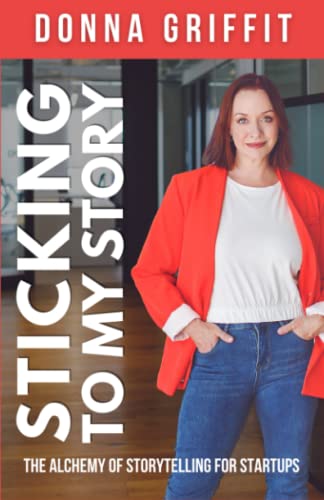
“Sticking to My Story: The Alchemy of Storytelling for Startups” is perfect for entrepreneurs enthusiastic to refine their pitches and connect with investors. Donna Griffit provides practical strategies for crafting compelling narratives that resonate. You’ll learn to avoid common pitfalls and understand what investors want to hear post-pitch. With clear examples and a step-by-step approach, this book makes storytelling accessible, regardless of your experience level. Griffit emphasizes authenticity and emotional connection, urging you to share your passion while keeping it relevant. Readers rave about its transformative impact, making it a must-read for anyone looking to attract funding.
Best For: Entrepreneurs and startup founders looking to improve their storytelling skills to effectively pitch to investors.
Pros:
- Practical strategies that provide a step-by-step approach to crafting compelling narratives.
- Emphasizes the importance of authenticity and emotional connection in storytelling.
- Clear language and accessible writing style make it suitable for all experience levels.
Cons:
- May not cover advanced storytelling techniques for seasoned entrepreneurs.
- Some readers might find the focus on investor pitches limiting if they seek broader storytelling applications.
- The book’s emphasis on emotional connection may not resonate with all investor preferences.
The Science of Storytelling
Product not found or API error.
If you’re looking to enhance your storytelling skills, “The Science of Storytelling” is an invaluable resource that caters not just to writers but to anyone interested in understanding how narratives shape human behavior. Will Storr explores how stories connect to personal experiences, making you the protagonist in your own life. The book combines scientific insights with classic literary examples, helping you grasp effective storytelling techniques. While some may critique its reliance on evolutionary theory, the practical strategies and compelling writing make it a must-read. You’ll gain valuable tools to engage your audience and deepen your understanding of narratives.
Best For: “The Science of Storytelling” is best for anyone interested in enhancing their understanding of narratives, including writers, educators, and professionals in publishing.
Pros:
- Provides scientific insights into storytelling and its impact on human behavior, making it accessible to a diverse audience.
- Combines literary examples with practical strategies, enhancing the reader’s ability to engage audiences effectively.
- Compelling writing style that captivates readers, encouraging repeated use and application of the concepts learned.
Cons:
- Heavy reliance on evolutionary theory may limit the perspective on the complexity of human storytelling and behavior.
- Inconsistent format experiences, with some readers reporting missing content in the Kindle version.
- Certain sections may feel extraneous, leading to a less streamlined reading experience for some.
How to Tell a Story: The Essential Guide to Memorable Storytelling

For anyone enthusiastic to enhance their storytelling skills, “How to Tell a Story: The Essential Guide to Memorable Storytelling” offers a practical formula that caters to both novices and seasoned storytellers. The book combines personal anecdotes with engaging examples from live Moth performances, making it a fun read. You’ll find helpful tips on storytelling techniques, even if some content feels repetitive. While it may be niche, it’s perfect for those exploring human dynamics in storytelling. Available in audio and print, it’s a valuable reference for writers keen to refine their craft and share impactful stories.
Best For: Individuals looking to improve their storytelling skills, from novices to experienced storytellers.
Pros:
- Engaging examples from live Moth performances enhance the reading experience.
- Offers practical tips and techniques for effective storytelling.
- Available in both audio and print formats, catering to different preferences.
Cons:
- Some readers find the content repetitive in parts.
- The book may feel overly niche, lacking broader storytelling insights.
- A few readers feel it takes too long to reach the core topics.
Storyworthy: Engage, Teach, Persuade, and Change Your Life Through Storytelling

“Storyworthy: Engage, Teach, Persuade, and Change Your Life Through Storytelling” by Matthew Dicks is an essential read for anyone enthusiastic to enhance their storytelling skills, particularly those who enjoy the art of personal narrative. This engaging book introduces valuable techniques like the “Homework for Life” exercise, helping you find stories in everyday moments. Dicks breaks down storytelling fundamentals while offering unique concepts such as Backpacks and Breadcrumbs. While it primarily appeals to Gen Xers and Millennials, his accessible style and responsiveness to readers make it a must-have for anyone looking to master the craft of storytelling.
Best For: “Storyworthy” is best for individuals looking to enhance their storytelling skills, particularly those interested in personal narratives and engaging communication.
Pros:
- Engaging Techniques: Offers innovative storytelling techniques like “Homework for Life” that help identify everyday stories.
- Accessible Style: Written in a relatable manner, making it easy for readers to grasp and apply the concepts.
- Supportive Author: Matthew Dicks is responsive to readers, providing a sense of community and support for aspiring storytellers.
Cons:
- Niche Audience: Primarily appeals to Gen Xers and Millennials, which may limit its relevance for other demographics.
- Specific Style: Focuses on a certain type of storytelling, possibly alienating those interested in diverse styles.
- Potential Overlap: Some techniques may feel repetitive for seasoned storytellers familiar with narrative structures.
Factors to Consider When Choosing Storytelling Books
When you’re picking storytelling books, consider your target audience and what they need. Think about the content’s depth, the author’s expertise, and how practical the techniques are. Also, don’t forget to check the format and accessibility options to guarantee it’s a good fit for you.
Target Audience Considerations
How do you choose the right storytelling book for your needs? Start by understanding your target audience. Different demographics have unique preferences in storytelling styles and techniques. If you’re a beginner, look for books that cover foundational skills. Advanced storytellers might seek complex narratives or professional applications. Consider the context: business storytellers often need persuasive techniques, while personal storytellers may prefer emotional anecdotes. The language and writing style should match your comprehension level; concise, engaging prose works best for busy professionals or novices. Finally, identify your primary goals—whether to entertain, inform, or persuade—so you can select a book that offers tailored strategies and insights to meet those specific objectives.
Content Depth and Complexity
Understanding your target audience sets the stage for exploring content depth and complexity in storytelling books. When you select a book, consider how deep the content goes. Some offer just the basics, while others plunge into advanced techniques and theories that suit different skill levels. Look for actionable insights and practical applications, as they enhance your learning experience considerably. Books with diverse examples and case studies can illustrate complex concepts, making them more relatable. Balance is key—find a book that blends theoretical insights with an engaging narrative style. Finally, assess the target audience; a book focused on personal storytelling might differ greatly from one aimed at business communication, affecting the material’s complexity and relevance.
Practical Application and Techniques
While selecting storytelling books, it’s essential to seek out those that offer practical applications and techniques to enhance your skills. Look for resources that provide actionable insights, like step-by-step guides that help you craft engaging narratives and effectively connect with your audience. Books featuring real-world examples and templates can clarify how to apply storytelling principles in various contexts. Pay attention to authors who emphasize emotional engagement, as these stories resonate more deeply with listeners. Choose books that include exercises or prompts, encouraging daily storytelling practices to develop your skills. Finally, evaluate the accessibility of the content to ascertain it matches your current skill level, whether you’re a beginner or aiming for advanced techniques.
Author’s Expertise and Style
When choosing storytelling books, the author’s expertise and writing style play an essential role in your learning journey. An author recognized as an authority in storytelling lends credibility to the techniques presented. You’ll benefit from a conversational and engaging style that makes complex ideas easier to grasp. Look for authors who share personal anecdotes and real-world examples; these insights can help you apply concepts in relatable ways. Clear and simple language is important, especially if you’re new to storytelling. An author’s ability to connect with you through humor and relatability can transform a book into a memorable experience, encouraging you to use the techniques in your own storytelling. Choose wisely to enhance your skills!
Format and Accessibility Options
Selecting the right format for storytelling books can greatly impact your learning experience. Consider whether you prefer print, eBook, or audiobook formats to match your lifestyle. Audiobooks often enhance engagement with immersive narration, while eBooks let you adjust text sizes and backgrounds for comfort. Don’t forget to check user reviews for print legibility; small print can hinder your understanding. Evaluate the book’s structure, too—some may have concise chapters for quick reading, while others might require more time. Finally, look for supplementary materials like worksheets or online resources, which can greatly enhance your grasp of storytelling techniques and their application. Choosing wisely guarantees you get the most out of your storytelling journey.